
What Is the Best Overland Tent?
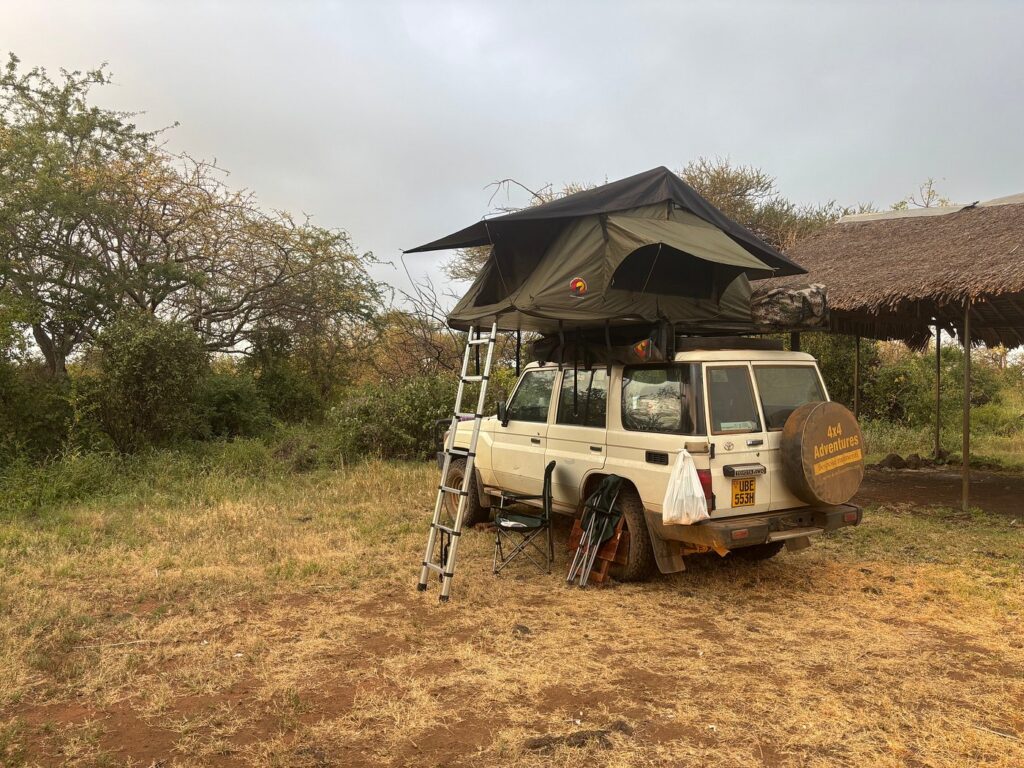
What Is the Best Overland Tent, From soft shell to hard shell, and with many different brands to choose from, it can be difficult to decide which tent is best suited to your lifestyle. The most important question you need to ask yourself is, “Which is the best overland tent for me?” Below we’ll discuss the most widely used overland tents, including the classic rooftop tent (soft and hard shell) and the ground tent. Hopefully, this information will help make the decision-making process much easier.
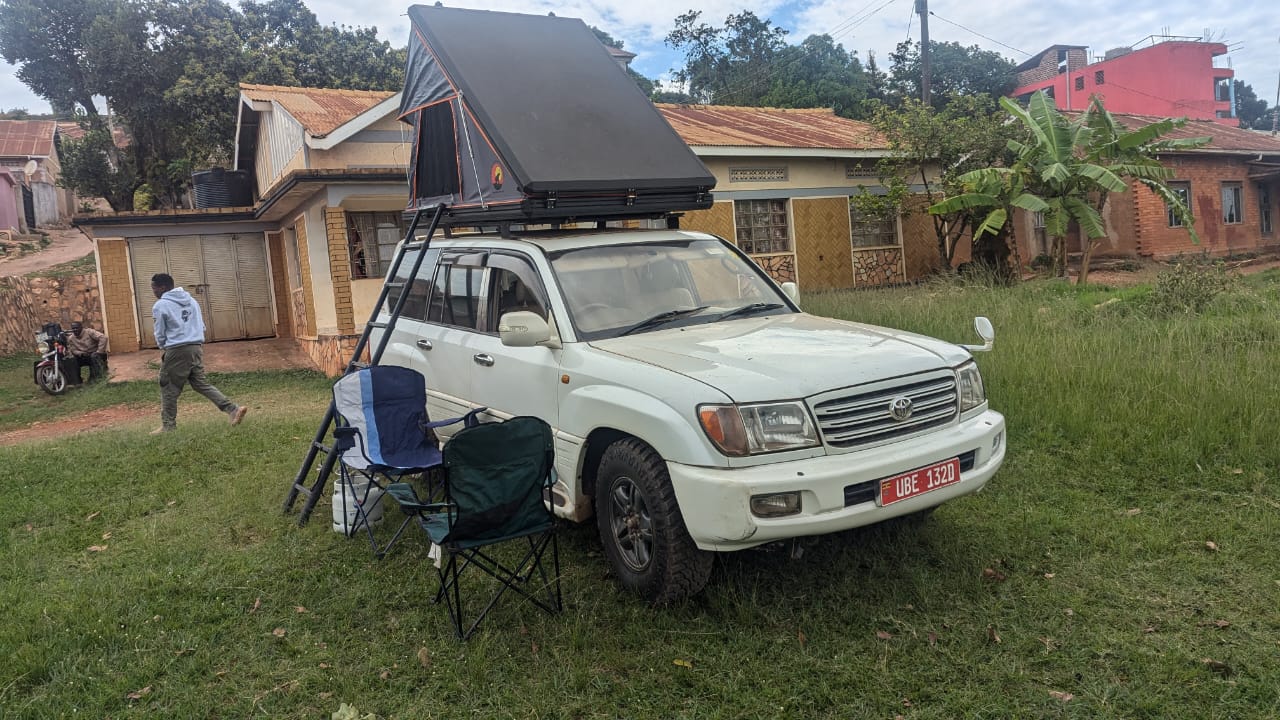
Soft and hard shell rooftop tents are classics among overlanders. Here are the advantages and disadvantages of each.
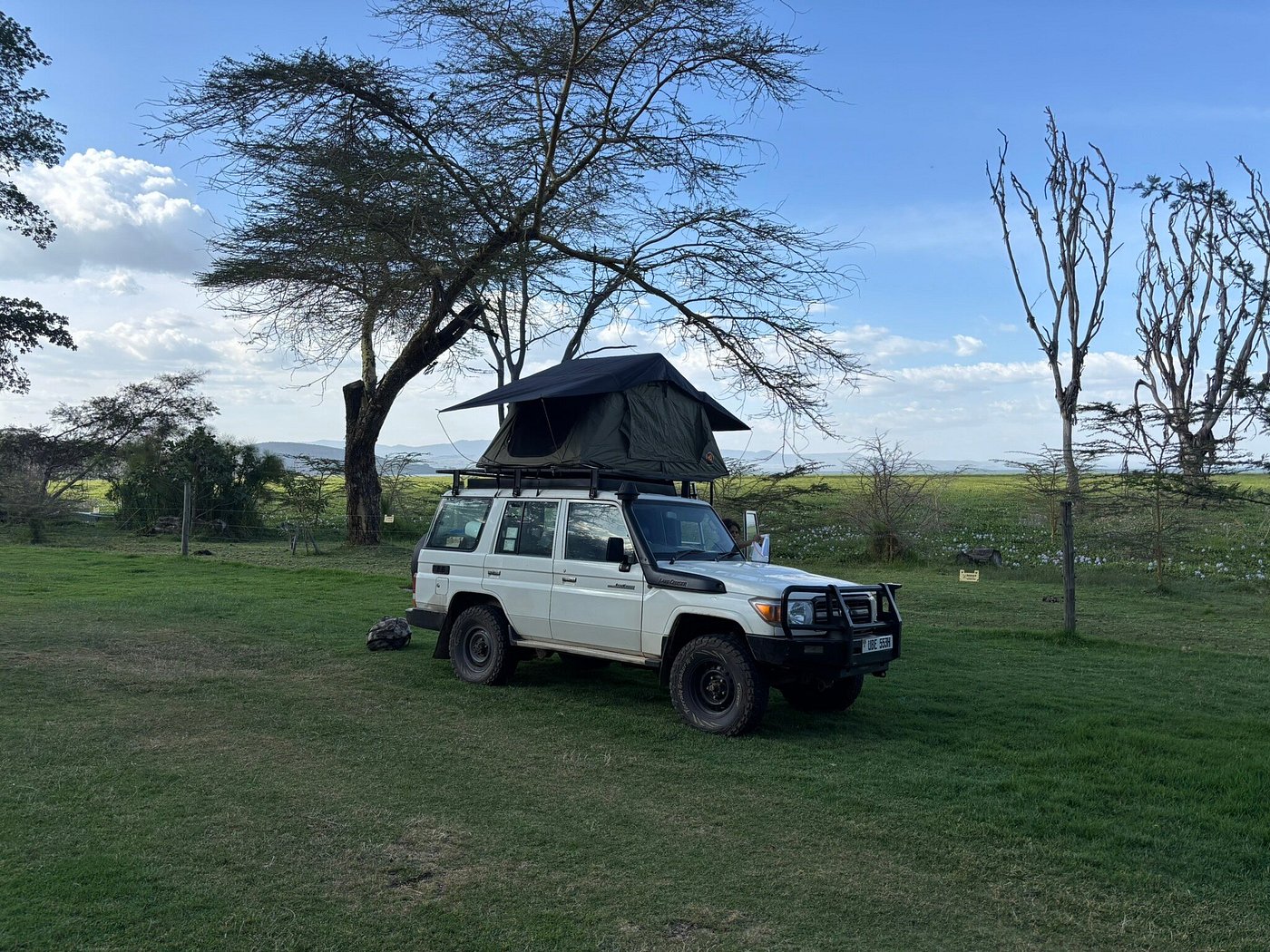
Advantages of Roof top tents
Easy setup. No need to fiddle with tent poles, pegs, and straps! The mattress is already stored inside the tent and doesn’t need to be filled with air. You can also store your sleeping bag inside the tent.
The rooftop tent is off the ground, which removes your sleeping quarters from wet and muddy environments, bugs, and, potentially, animals. The platform also keeps you from rolling into holes, over rocks, or uneven sections of ground during the night. Sleeping up off the ground can also create a sense of security.
Ease of leveling. If you are camping in an area that isn’t flat, it’s easier to level your vehicle than trying to find a flat spot for a ground tent.
Rooftop tents have good airflow. Windows on all four sides optimize airflow patterns, resulting in much more comfortable sleep. The mattresses are generally quite comfortable. It is also possible to add a foam topper for extra comfort.
A good quality Roof Top Tent is waterproof and water-resistant. Since the first season of Expedition Overland nearly ten years ago, the tent has been a great proving ground. We’ve slept soundly during incredibly rainy nights with no water leakage.
Rooftop tents are a blast to sleep in. They remind us of treehouses from our childhood and are a great place to enjoy the view.
Disadvantages of Roof top tent
Once the tent is set up, you can’t drive your vehicle. This can be a drag if you’re heading into town every day. This setup is best if you are staying at a specific location for a while. Consider topping a trailer with a RTT. This setup makes it easy to leave the trailer at base camp while you head off to adventure during the day.
The classic rooftop tent does not handle wind well. The material is incredibly noisy with the potential for damage in high wind speeds. The hard-shell RTT does better in windy environments, especially if you point the tent into the wind.
Compared to a ground tent, rooftop tents are heavy. Most weigh between 125 and 250 lbs., whereas a ground tent is 10 lbs or lighter. This high-mounted weight can result in reduced fuel mileage, alter the vehicle’s road manners, and increase sway.
A rooftop tent requires the installation of an appropriate mounting system. You must consider your vehicle’s payload when mounting any aftermarket accessories.
Rooftop tents are not immune to wear and tear. Time on rough roads will affect how the tent holds together. In addition, if your tent spends a lot of time open and in the sun, the sun’s rays will break the material down faster than your travels will.
High risk of injury. Climbing up and down a steep ladder can be problematic, and older folks have moved away from them due to the amount of climbing required.
The Ground Tent
Although the popularity of rooftop tents has soared in recent years, it is important not to underestimate the pros of a good quality ground tent!
Advantages of ground tent
Ground tents range widely in size and weight, ranging in quality from the supremely lightweight mountaineering tents to the heavy-duty quick-deploy touring tents. Ground tents can also hold more people, so they are potentially more family-friendly.
Cost. For the same cost as a rooftop tent, you can purchase multiple ground tents to suit differing environments, including a lightweight one for summer and a really great four-season tent for poor weather or winter camping. Pro tip: look for a tub floor when purchasing a good-quality ground tent. The seams aren’t located on the floor, which is helpful if flooding occurs.
Ground tents do not require the purchase of a mounting system or roof rack.
Ground tents are not vehicle-dependent, so if you are adventuring during the day it is possible to leave your camp fully set up.
As these tents are lower to the ground, they usually perform better in the wind.
Decreased risk of injury. It is not necessary to climb a ladder to get into a ground tent.
Disadvantages of Ground tents
The ground tent takes more work and more time to set up and tear down – unrolling your sleeping bag, blowing up an air mattress, hammering tent pegs, and fiddling with tent poles.
Ground tents are not easy to level and can be uncomfortable without an air mattress or sleeping pad.
Ground tents are exposed to wet, muddy environments, bugs, and, potentially, animals.