
How to Plan a Road Trip
Overwhelmed with starting to plan your next road trip? Use these step-by-step guide that breaks it down in simple terms. There’s nothing like the freedom and spontaneous sense of adventure that a road trip provides. And for that reason, road tripping has always been absolute favorite ways to travel.
Road trips give you the mobility to create the travel experience that you desire all while allowing you to throw some spontaneity into the mix!
Planning a successful road trip requires quite a bit more strategy and logistics than your average trip. Without a solid plan laid out, you risk missing out on some amazing sites, driving much longer than necessary, and stressing over minuscule things that could have easily been resolved ahead of time.
Even with a solid plan, things can still go wrong. There are mishaps on road trips, from getting stuck in deep sand and cracking windshields to having to get towed hundreds of miles due to car damage.
Step 1: Develop Your Road Trip Framework
As with most things in life, starting is always the hardest part, and beginning the planning process of a road trip can often feel overwhelming especially with so many moving parts that a road trip requires.
A few key questions to ask yourself before planning any road trip.
-
What are your start and end dates of the trip?
Whether you’re road tripping during peak season, or taking an extended holiday, having firm start and end dates will inform how much you can realistically see within that time frame. It’s an important piece in spacing out the rhythm of your trip and will help you determine the rest of the answers below.
If you don’t know your start and end dates yet and your schedule is more flexible, at least jot down an idea of how long you envision the trip to be. Will you be road tripping for 5 days, 2 weeks, 1 month? This will give you a starting point to work with.
-
What is the purpose of the road trip?
Here’s where you get to dream about all that you want to get out of your trip. Is there a theme of the trip for example. National Parks, Or are you just trying to see as much as possible within a certain region? Get clear on your purpose of the trip so you can find the best activities later on that will fulfill that end goal.
-
How much driving time per day are you willing to do?
I can’t overstate the importance of realistically setting limits on how much driving you can handle per day. Of course it always helps to have multiple people that can split up the driving responsibilities, but even still no one wants to be spending 12 hours a day in the car when the whole purpose of your trip is to be getting out and exploring.
Once you’ve determined how much total time you have for your road trip and the general area you want to see, come up with a max number of hours per day you’re willing to spend in the car. And keep in mind this will often be broken up into multiple drives throughout the day, not necessarily one long stint.
Depending on your driving distance and time, here are some suggested trip timeframes that should help you to stay on track and factor in days where you can enjoy some time out of the car. Some other important pieces to consider as you determine how much daily time you want to spend in the car are:
What time of day are you most comfortable driving? If in daytime, that will provide less daylight hours for exploring.
Will any bad weather or difficult road conditions slow down your driving time? (For example Uganda road trip, many roads are dirt. And it’s recommended to add about 20% onto the driving time from what Google Maps tells you).
Make sure to factor in stops for bathroom and food breaks.
Everyone is different, but personally I wouldn’t do more than 3 hours per day on average of driving (and that’s if you’re someone like me who is very comfortable driving long distances). Keeping your daily driving time low in addition to giving yourself days off from the car completely is the best way to keep your sanity while planning a long road trip.
-
Where will you begin and end the trip?
Now that you’ve set the above parameters, you can accurately choose your starting and ending point. Your road trip can either follow a loop back to your starting point or start and finish at different destinations. If you choose different starting and ending points, just make sure that if you’re renting a car for this road trip, your rental company will allow for a different drop off location. Choosing the starting point of your trip will often be determined by where you live or by where you’re flying into to start the adventure.
For your ending point, if it’s going to be different than your starting point, you’ll need to do a quick calculation to find out the total numbers of hours it takes to drive from start to finish and then divide that by the number of days of your trip.
Make sure that number is aligned with the amount of hours per day you’re willing to drive. If not, I’d recommend choosing a different ending point that’s not too far away.
Step 2: Choose Your Overnight Stops
Now, this is where the real fun begins. Every time you plan a road trip, this part really gets broken down into three sub-steps. The first thing you do is cull together all of the inspiration and research for stops I want to make along the way.
The second sub-step is to map them all out on a Google Map so I can get a visual understanding of where everything is geographically placed along the way.
The final step, is to realistically pick and choose what is doable for the itinerary based on the parameters set up in the road trip framework.
Pull Together Inspiration
If you don’t already have your exact itinerary or desired destinations sorted out, I suggest starting off with a Pinterest board or Google Doc where you can save a bunch of ideas and inspiration for your dream road trip. Even if certain desires are a bit unrealistic, your vision on how to plan a road trip itinerary will have to start somewhere!
Some favorite ways to gather inspiration for a trip include exploring on Pinterest, searching relevant hashtags on Instagram and TikTok to find unique and hidden gems to visit.
On this inspiration list, make sure to include items like:
- Main towns/city stops
- Restaurants and cafes
- Top points of interest
- Hikes or outdoor activities
- Destination hotels or accommodations (if they’re a main draw)
- Add Everything to a Google Map
This is absolute number one hack for planning a road trip that is efficient, seamless, and stress-free. Since you’re never staying in one place during a road trip, it’s beyond helpful to see everything laid out visually on a Google Map to understand where points of interest are in relation to one another.
Narrow Down Your Stops
Now that you have everything visually laid out, you can start to see where points of interest are clustered together. You might be surprised to find that there are certain areas with much more to do than others. This can help you decide to stay overnight in certain areas longer than others. You may also learn through this process that there are some items on your list that are too far out of the way and don’t make sense as part of your itinerary.
Based on your points of interest and how many days in total you’ll be on the road, start to plan out where you’ll plan overnights and for how many days in each destination. Then before you set these in stone, calculate what the driving time would be from day to day between each overnight stop. And make sure it still reflects your max driving time that we came up with during the framework process.
Step 3: Finalize Your Itinerary
Once you’ve figured out all of the logistics of planning a route, it’s time to get into the nitty gritty of what you will be doing and seeing day to day. If you’re anything like me, then this process will be made easier by the fact that you’ve already saved some activity and sites of interest on your map.
Considering road trips are such a flexible way to travel, I understand that it might be tempting to be as spontaneous as possible and go with the flow. However, I highly recommend planning out as much as you can before your trip so that you have way more time to experience rather than research while on the road.
Plus, it royally sucks moving on to your next stop and then realizing you missed something amazing but can’t waste time backtracking. If you already feel like you have enough items to do on your map.
Viator, which is a great place to find popular tours and activities in any destination
Google Maps (you can zoom into your location and find local attractions, top-rated eateries and entertainment venues that you might have missed in your previous searches).
Google Earth is another great resource for exploring that can also uncover hidden gems and unique places.
Using all this information you’ve gathered, I recommend mapping out your day to day itinerary based on points of interest that are in close proximity to one another. This promotes maximum efficiency, cuts down on unnecessary driving time, and allows you to pack more into your itinerary.
If you’re a spontaneous traveler that doesn’t love to be locked into a schedule, don’t worry. This itinerary is meant to be more of a framework that relieves stress and confusion while on the road, but you can always adjust as you go.
Don’t over-schedule yourself hour by hour. The beauty of a road trip is to allow time for those random “pull over now” moments that happen when you see something cool out of nowhere!

Step 4: Start Booking Things
Now that you know where you’re starting and ending your trip, and most of the things you want to do, you can start locking things in!
Booking Airline Tickets
If your road trip isn’t beginning from home, then you’ll want to make sure to book airline tickets as soon as possible as these may require you to adjust your itinerary a bit.
There have been many a time where you have planned out a whole road trip itinerary only to find that flights were cheaper on different dates, or that you couldn’t arrive to your destination until much later in the day than expected, thus altering your itinerary. Book those flights and then you can lock in the rest of the logistics from there.
Booking a Car
When figuring out how to plan a road trip, one of the most important and obvious aspects is what exactly you will be driving on the road. Here are some different options to consider.
Your Own Car – While the most obvious pro to taking your own car is the financial incentive to save money, it is also wise to be realistic about what your car can and can’t handle. If you have a vehicle that can handle the miles and terrain, then great! But if not, don’t take on the risk of having something in your own car go wrong, resulting in problems that will extend beyond your trip. If you’re leasing a vehicle, you also want to keep your mileage limit in mind.
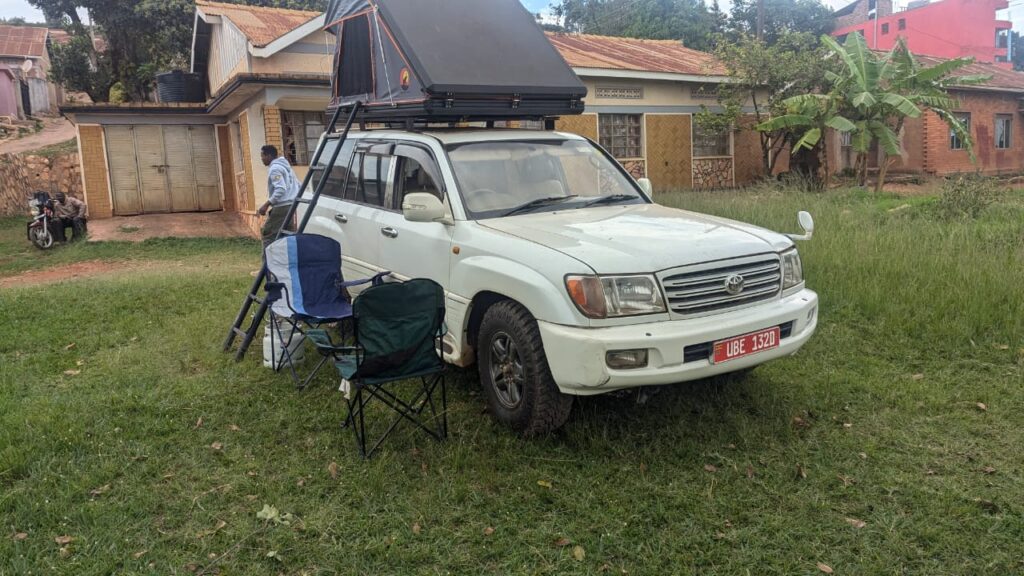
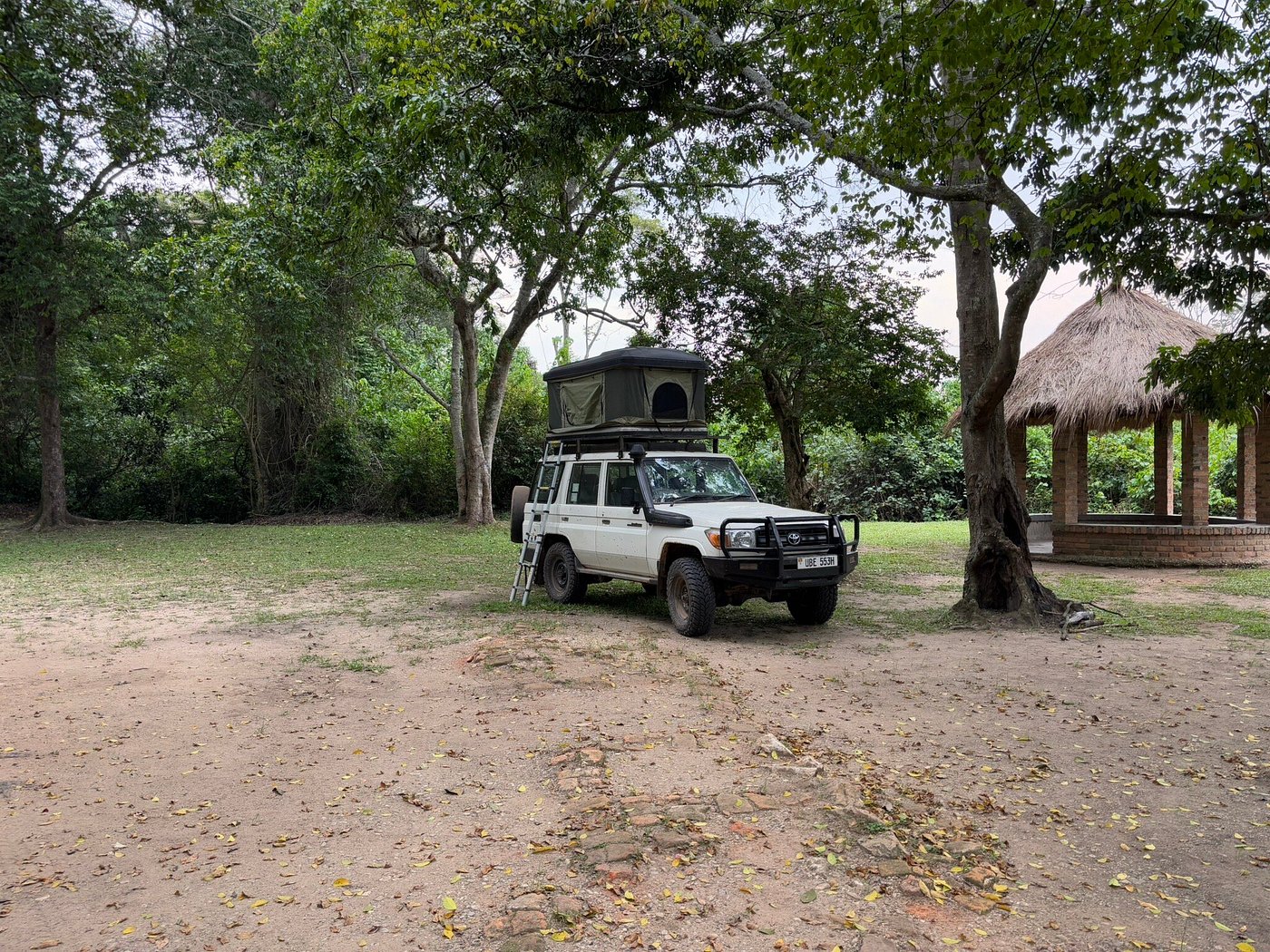
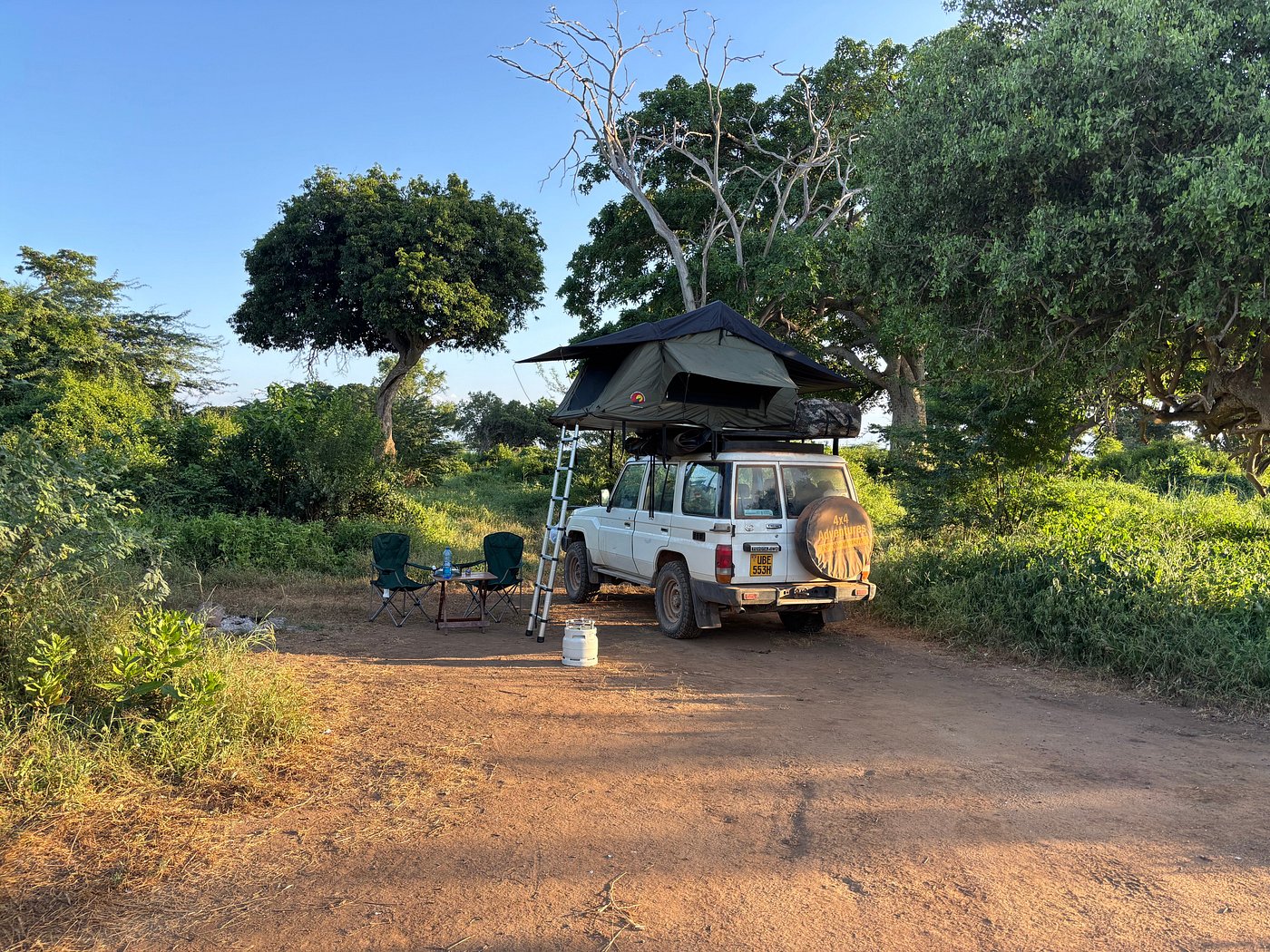
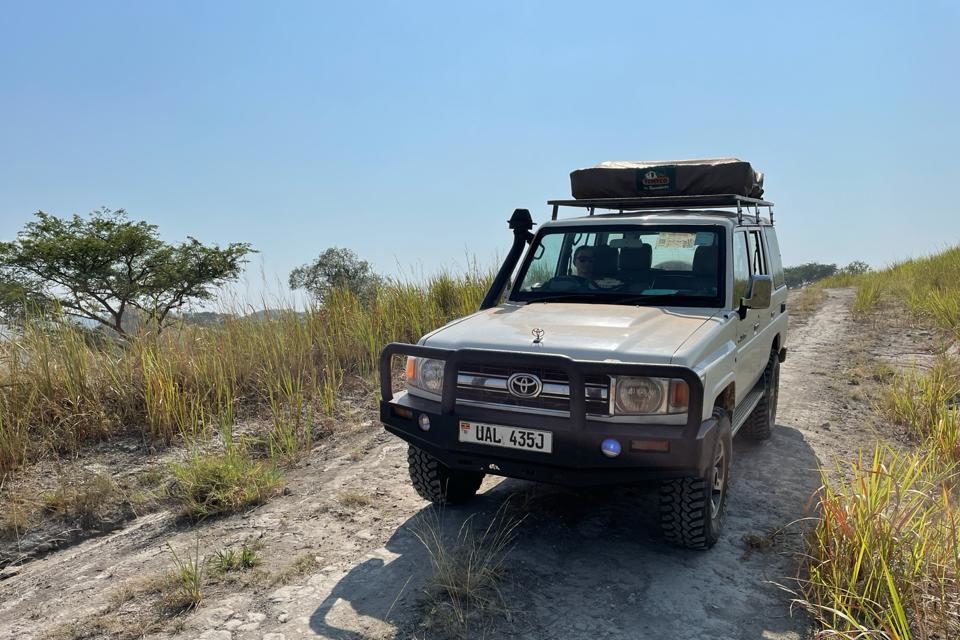
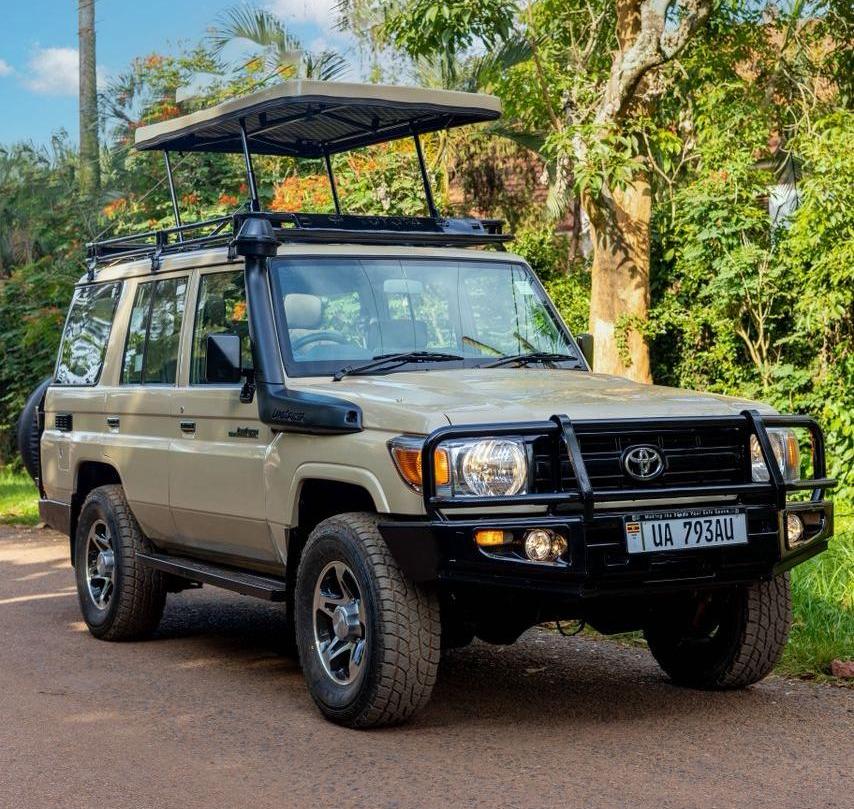
Car with roof top tent, If you are into avoiding hotels and simply making a road trip quite literal in terms of constantly being on the road, then renting acar with roof top tent might be exactly what you need! However, this can be a big commitment requiring extra knowledge of how to drive and operate these larger vehicles.
SUV or Sedan Car Rental, If you’re planning on renting a car, then decide what type of vehicle is necessary for the trip ahead. Do the road conditions require a 4WD or sturdier SUV? Will your group and all your luggage fit into a compact car? When looking at all of the options, these are always important things to consider. If you’re planning a road trip abroad, make sure to research information about if your destination requires an international driver’s permit.
Booking Accommodations
Depending on how loose of a road trip you’re planning, you may want to keep some nights open to spontaneity. Know yourself before embarking on this adventure and determine how spontaneous you really want to be. Or if you’ll feel less stressed out knowing where you’re sleeping every night.
If you’d rather have a set overnight schedule, booking your accommodations as soon as possible is a great idea. If you’re planning a road trip during the summer, this is especially important because Airbnbs and hotels tend to fill up quickly.
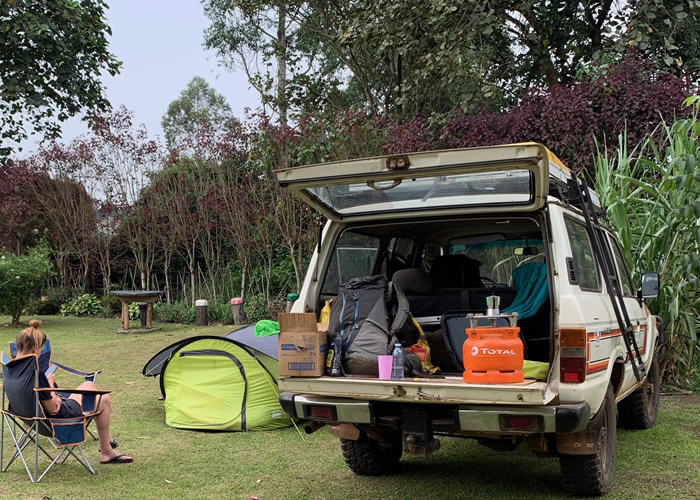
Road trips are also a fun time to experiment with camping or glamping style accommodations. The choice is really up to you, depending on your travel style.
Sometimes plans change on road trips. And you might find yourself needing to pullover at the last minute and get some sleep in order to drive safely. If so, check out this great resource for tips on where you can legally park overnight for a solid rest. Knowing how to successfully plan a road trip means knowing when to give yourself a break.
Booking Activities
I know, I know. You’re likely thinking, do I really need to book all my activities ahead of time? While no, not everything will need to be booked ahead of time, it’s important to do research ahead of time to learn which experiences require things like permits, advance tickets, or are only open on particular days.
Tourism becomes a reality of our modern lives, more and more things require advance booking. The name of the game here is really avoiding disappointment and frustration during your trip. So the more you’re prepared, the more you’ll be able to enjoy everything seamlessly while on your adventure!
Step 5: Prep Your Packing List
Planning a successful road trip isn’t done once you’ve nailed down your itinerary. Making sure you pack the right items shouldn’t be overlooked. If you’re a packing procrastinator, then I would advise that you pay extra close attention to this section of the post. Being that a road trip often calls for several travel necessities that you wouldn’t need otherwise, it is not smart to wait until the last minute to pack for this one! That being said, here are some must-have road trip essentials to help you get started.
- Foldable/packable cooler tote for drinks and snacks
- Phone cord to connect to the car
- Day backpack
- First aid kit
- Water
- Sunglasses
- Pillow for driving naps
- Flashlight or headlamp
- Jumper cables
- Quick dry towel
- Toilet paper
- Wet wipes
- Comfortable clothes to wear on long drives
- Pre-downloaded music or audio books
- Weather appropriate needs for the car
- Spare tire
Things to consider when packing:
What will the weather be in your various destinations? Having a good idea of the weather is necessary for packing the appropriate clothing and attire. As well as anything you might need for the car like an ice scraper or chains.
What kind of activities will you be partaking in? If you’re going to be doing a lot of physical activity such as hiking and outdoor exploration, you’ll want to make sure you have the right shoes and gear.
Are there medications or prescriptions you need to take along the way? For those with any medical conditions or specific prescriptions, always double check that you are good to go on your supply. Or that you have a cooler for the car if these need to be refrigerated.
Are there any specific risks based on the area that you are visiting? In Uganda for example, gas stations to Kidepo valley national are so few and far between that you need extra gas cans on top of the car to use to refuel on long stretches.
What should you pack in case of emergencies? While you don’t want to expect the worst, things do happen on road trips. Items like jumper cables, a spare tire.
Step 6: Prepare to Set Off on Your Adventure
As you begin your road trip excursion, there are some key tips to keep in mind. While you’ll be eager to hit the ground running with your itinerary, taking care of these things first will make your adventure much easier and stress-free.
Create a logical system for packing the car
No matter how neat you are, the one thing is that the cleanliness and packing of the car continues to devolve as the road trip continues. So starting with a strategy will allow you to find things more easily and not be dealing with utter chaos.
Come up with an organization system in the car that is easily replicable throughout the entire trip as you’ll be packing and unpacking the car a lot. Doing so will give you easy access to the things you might need while driving. And storing less necessary items in the trunk for optimal space and organization.
Stock up on healthy road trip snacks and beverages
Food deserts are a real thing on road trips. So make sure you have some snacks nearby in case extreme hunger strikes when there’s nothing around.
Stay on top of your gas
Start your trip with a full tank of gas and refuel often (I recommend not getting lower than a 1/4 of a tank in case you hit a stretch with minimal fuel stations).
Download offline Google Maps
Pre-download all of your destinations to offline Google Maps in case you go through bad service areas (which you most definitely will). This is a game-changer for navigation sans service.
Get insurance
Always make sure that you have either rental car insurance through your credit card company or through the rental company itself to ensure that you’re covered in the event of a breakdown or accident.
Avoid tolls
If you don’t want to pay extra hefty toll fees, make sure to adjust your settings on Google Maps or Waze to avoid toll roads so you don’t get surprised mid drive.
Make sure the car is good to go
If driving your own vehicle, thoroughly check the car for any issues before take out. Just recently, after renting a car for a road trip, we ran into trouble just a few hours into our trip when we noticed the oil change light had turned on and that windshield wiper fluid was depleted.
Though it may seem tedious, it’s worth it to check these things before you drive the car out of your driveway so you don’t have to deal with them on your trip.
Download entertainment ahead of time
In case of any tech glitches or bad service, it’s always a good backup plan to have Spotify playlists or audio books downloaded onto your device ahead of time.
Step 7: Follow These Road Trip Tenets for a Stress-Free Adventure
Now that I’ve given you the framework for planning a road trip step by step, I want to share a few tried and true rules of road trips that I’ve learned over many, many years of hitting the open road. Hopefully these will help you to have the most stress-free time during your road trip ahead.
Use Google Maps to Create Your Itinerary
Using Google Maps to create your itinerary is truly a game changer. It will make your life on the road so much easier. Google Maps allows you to save a ton of locations and cities, as well as restaurant recommendations for each stop. Being able to house all of this info in one place and be able to refer back to it later in a visual format is a real road trip revolutionizer.
Leave a 25% Cushion in Driving Time
You definitely want to avoid overpacking your schedule while road tripping. You never know what “pull over now” moments you might come across, so it’s best to overestimate your driving time by about 25% in order to allow for bathroom and food breaks, traffic, along with any other spontaneous excursions that might come up.
Rent the Proper Kind of Vehicle
While it’s tempting to save money by renting the cheapest car out there for a road trip, don’t overstate the importance of renting the proper vehicle for your trip. If you’re going to splurge anywhere, make it on a comfortable car that will get you from A to B safely, keep you comfortable for hours on end and be able to handle the terrain you plan to throw at it.
Plan Most of Your Driving During the Day
While maximizing your daylight hours by driving at night sounds great in theory, it’s not very enjoyable in reality on a road trip. You’re likely to be more exhausted from the day of exploring, have worse visibility, and you’ll miss all the epic scenery along the way which is half the fun!
Especially if you’re planning a road trip in the height of summer, planning your longer stretches of drives mid-day can be a great way to get out of the heat and save exploring for early morning or afternoons when temperatures are cooler.
Prepare for Bad Cell Service
Spotty cell service is almost a guarantee when planning a long road trip. Driving through long stretches of empty space and desert land can be scary at times. So make sure that all of your directions are available even if your GPS on your phone loses service. Also, it’s a good idea to enable your phone’s location sharing with a trusted friend or family member while you’re driving just in case.
Get Enough Sleep
One of the most important road trip tips I can provide is this: don’t be one of those travelers who thinks they are impervious to falling asleep at the wheel. Driving drowsy is seriously just as dangerous as driving intoxicated. And it puts you, your passengers, and other drivers in an unnecessary amount of harm’s way.
Part of planning a long road trip is time management. Meaning that accounting for your rest is imperative to being able to travel safely and efficiently between destinations. Bottom line, don’t get behind the wheel until you’ve had enough sleep. It simply isn’t worth it.
Keep Cash on Hand
We may be living in the age of paperless and AI, but keeping some old fashioned cash on hand is a definite must when planning a long road trip. Road trips can often take you through less populous areas. And you never know when you may need cash.
Communicate Consciously with Travel Buddies
In order to avoid any conflict or awkward tension, it’s super important to make sure that you and your road trip buddies are on the same page when it comes to driving times, activities, budget and overall expectations. Long days on the road can definitely exacerbate frustrations. So keeping great communication is super helpful to maintaining a happy trip.
Factor in a Few Days that Don’t Require Driving
If you can, give yourself some time and space to unwind out of the car and enjoy your surroundings. As fun as it is to drive down the open road, the point of a vacation is to really experience the place that you are visiting and giving yourself a few days throughout the trip where you don’t have long drives will help you feel rested and rejuvenated.
Don’t Overdo It
While it may be tempting to squeeze as many activities and sites in as possible on your trip, it is important to also relax and enjoy yourself as you explore. No one likes a good itinerary more than me, but it is best to avoid feeling beholden to some militant schedule that keeps you and your travel buddies on edge and anxious to get to the next spot.
If Road Tripping Abroad, Check for International Regulations
If you’re brave enough to plan an international road trip, make sure that you research the local laws and ordinances before assuming that you will just be able to rent a car without any issue. Some countries require an international drivers permit. And while they are not difficult to get, you won’t want to be caught driving a vehicle without one.
Offload Trash at Every Gas Stop
Keeping the car clear and clean from clutter and garbage is one of the more practical road trip tips that really makes a difference. No one likes sitting in a messy or cramped car for long stints of time. So putting in the effort to clear the car from any trash on each gas stop helps astronomically.
Always Have Wiggle Room in the Budget
While having a budget and trying to stick to it is necessary for smart and safe traveling, things can always take a turn, either for the better or worse. That being said, ensuring that you have a little bit of cushion in your budget is a proactive way to prevent stress over any unexpected costs