
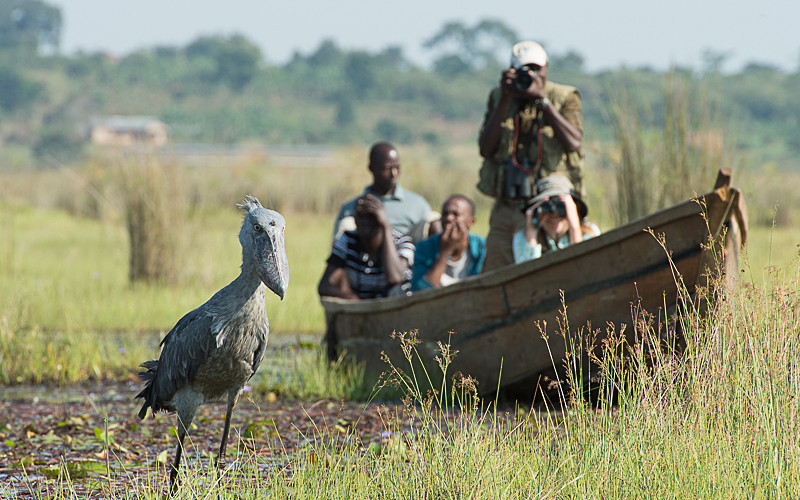
Bird watching in Uganda
Bird watching in Uganda, Uganda is one of Africa’s richest birding destinations, a home to over 1,070 recorded species and about 10% of the world’s total. making it one of Africa’s richest bird watching destinations. It’s possible to spot more than 300 species in a single day around Kampala, and iconic birds like the Shoe bill Stork are relatively easy to find in wetlands such as Mabamba.
Top Birding Hots pots
Mabamba Bay Wetland
Mabamba is ocated near Entebbe, this papyrus swamp is world-famous as one of the most reliable and accessible places to spot the elusive Shoebill Stork in the wild. Canoe trips through papyrus swamps give close encounters.
Bwindi Impenetrable National Park:
Bwindi Impenetrable National Park is famous for gorilla trekking and one of Africa’s premier birding destinations with over 350 species including 23 highly sought-after Albertine Rift endemics.The park offers birders the chance to spot rare and elusive birds like the African Green Broadbill, Grauer’s Rush Warbler, and Shelley’s Crimsonwing.
Planning a successful birding trip requires targeting the right spots, timing your visit, and hiring expert assistance, Ruhija Sector is considered the prime birding area in the park. This is where you will find the famous Mubwindi Swamp Trail, the best location for spotting the rare African Green Broadbill.
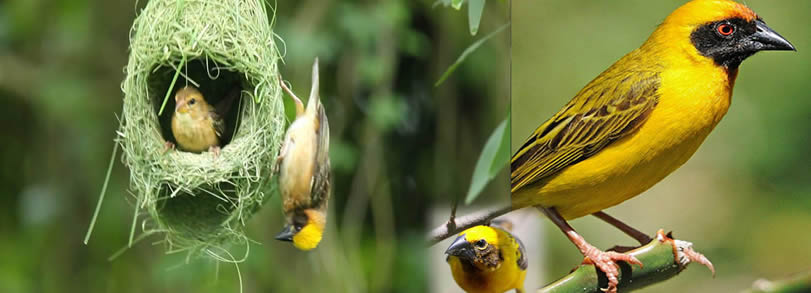
Buhoma Sector offers excellent birding along the waterfall trail and the main forest trails. It is an ideal spot for seeing the Black-billed Turaco, Bar-tailed Trogon, and Chapin’s Flycatcher.The Nkuringo and Rushaga Sectors The Ivy River and Kashasha River trails here offer rewarding forest edge and canopy birding.The best Time to Visit is March to May and October to November during wet Seasons. The forest is lush, and this is the prime time to spot migratory birds. It’s also breeding season, making bird activity high. June to September and December to February are Dry Seasons. While birding is good year-round, these months offer drier, clearer hiking trails, making it much easier to navigate the forest floor.
Kibale National Park.
Kibale National Park is a premier Ugandan wildlife experience, home to over 370 species of birds, including rare forest specialists. The crown jewel is the highly sought-after Green-breasted Pitta, alongside the Great Blue Turaco, Cassin’s spinetail, and Nahan’s francolin. You can go to Kanyanchu Visitor Center which is the main park hub where guided forest birding walks start at 7:00 AM daily and Bigodi Wetland Sanctuary which is Located just outside the park, this community-run 4.5km boardwalk trail is one of the best bird-watching spots in the region, boasting 138 species including the Great Blue Turaco, Papyrus Gonolek, and abundant kingfishers. Best time to Visit is from June to September during dry season which provides the best trail conditions for trekking, coinciding with the main fruiting and breeding seasons. March to May & September to November, The wet season attracts migrating species from Europe and northern Africa, offering a rich diversity of bird life in breeding plumage.
Murchison Falls National Park.
Murchison Falls National Park is one of Uganda’s premier birding destinations. It is a home to over 460 recorded species, the park offers birdwatchers the chance to spot rare savannah raptors, papyrus endemics, and the elusive Shoebill Stork across diverse habitats.
Key Birding Hotspots is Nile Delta only accessed via Murchison Falls Boat Cruise, this swampy region is the best place to spot the highly sought-after Shoebill Stork, along with Goliath Herons and African Fish Eagles.
Another is Paraa Area which is the park’s central hub that features open savannah and acacia woodlands. It is excellent for tracking the Abyssinian Ground Hornbill, Silverbird, and Black-headed Gonolek.
The Bottom of the Falls is another birding area, The launch trip to the base of the waterfall teems with waterbirds, including thousands of Red-throated Bee-eaters nesting in the riverbanks and the rare Rock Pratincole.
Budongo Forest Reserve is another spot for birds Located just south of the park boundary, this adjacent forest is a must-visit for woodland and forest specialists like the Chocolate-backed Kingfisher and Yellow-throated Tinkerbird.
Best Time to Go birding in Murchison falls national park is from January to March when the least amount of rain falls and migratory birds are present.
Key bird Species to target include Shoebill Stork, Secretary Bird, Abyssinian Ground Hornbill, African Skimmer, Red-throated Bee-eater, and the Giant Kingfisher, Goliath Heron, and Red-throated Bee-eater.
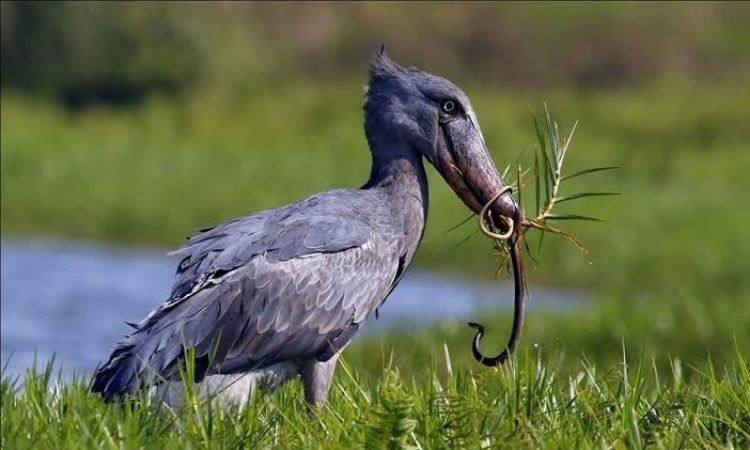
has over 600 bird species, this park’s Kazinga Channel is a fantastic spot to watch waterfowl, Martial Eagles, kingfishers, and the African skimmer on boat excursions. For a visual glimpse into a birding safari, including encounters with the prehistoric Shoebill Stork and a tour of local habitats and massive flocks of flamingos at Lake Munyanyange.z
Semuliki National Park
Semuliki National Park is situated in Albertine rift valley in western Uganda and one of Africa’s premier forest birding destinations. The park records over 440 bird species including 46 Congo-Guinea biome species found nowhere else in East Africa.
Semuliki Specials include African Piculet, Lyre-tailed Honeyguide, Nkulengu Rail, and Long-tailed Hawk.Hornbills, The park is famous for housing 9 different hornbill species (including the Black-casqued Wattled, Piping, and White-crested).Turacos, Ross’s and Great Blue Turacos.
Kirumia Trail is the best birding trail, A 13-km trail penetrating deep into the forest to the Semuliki River. Taking roughly 8 hours round-trip, it is highly productive for spotting rare forest specialists.
The Sempaya Trail and Hot Springs are also excellent for early morning and late afternoon birding, often producing views of canopy hornbills.
The Monkey Trail is ideal for spotting primates like Red-tailed monkeys alongside unique birdlife.
Boat rides on the lake Albert offer excellent chances to spot the elusive Shoebill Stork.
Birding is available year-round, but the dry seasons December to February, and June to August provide the most accessible, dry trails. Migratory species are most prominent between November and April.
Mount Elgon and Sipi Falls
Birding around Mount Elgon and the Sipi Falls creates a rich, intimate upland birding experience. The region hosts roughly 300 to 450 bird species, including rare Afro-tropical highland biome species and the stunning bearded vulture soaring above the dramatic basalt cliffs.
Kapkwai Forest Exploration Centre is one of the top birding spot Located inside Mount Elgon National Park, this is the prime birding hub. The dense shrubs and secondary forests along the loop trails leading to Cheptui Falls yield sightings of the African Goshawk, Hartlaub’s Turaco, and Chubb’s Cisticola.
The second spot is Sipi Falls and Coffee Plantations, The riverbanks, escarpments, and lush coffee plantations surrounding the three main waterfalls offer fantastic viewing of kingfishers, sunbirds (like the Tacazze Sunbird), speckled mousebirds, and Baglafecht Weavers.
The third is Moorlands and Alpine Zones, Higher up the mountain slopes, keep an eye out for the Moorland Francolin, Alpine Chat, and Sharp’s Longclaw.
The best birding time is from November to April, which coincides with the migratory season and an abundance of food, although birding remains excellent year-round.
Kidepo Valley National Park
Kidepo Valley National Park is located in the far north of Uganda, bordering South Sudan. The destination will appeal to those looking for a remote and off-the-beaten-track experience. Its diverse landscape makes it home to almost 500 bird species and 77 different mammals. The park’s diverse savannahs, wetlands, and acacia woodlands make it an essential destination for serious ornithologists. Kidepo is famous for unique and localized birds such as Common Ostrich, this is the only place in Uganda where you can see Ostiches and Raptors. The park boasts 56 species of birds of prey, including the Secretary Bird, Verreaux’s Eagle, and Pygmy Falcon.
Dry-country Specials Look out for the Karamoja Apalis, Fox’s Cisticola, Yellow-necked Spurfowl, and Vinaceous. The Abyssinian Ground Hornbill, Jackson’s Hornbill, and Red-and-yellow Barbet.
Narus Valley is the best birding spot in Kidepo, The prime location for waterbirds and savannah species. The seasonal river and nearby wetland areas draw impressive birdlife.
Apoka Rest Camp is another excellent starting point and a great place to spot species near the acacia fringed tracks.
Namamukweny Valley is another excellent area to search for different species of rollers and hornbills.
The best time is from March to April, this is the best time for birding overall, as the park is lush and migratory birds are present and November to April, The peak season for observing Palaearctic migratory species.December to February which the dry season makes birding easier along the remaining water points in the Narus Valley
Lake Mburo National Park
Lake Mburo National Park is a premier birding destination located in southern Uganda, boasting over 350 bird species. It is especially famous as one of the best places in Uganda for acacia-dwelling species, papyrus specials, and the elusive Shoebill Stork.
Rubanga Forest is the key birding spot Located in the western part of the park, this small patch of forest is excellent for spotting forest specialists and rarities like the Red-faced Barbet and Ross’s Turaco.
The Warukiri and Miriti swampy valleys are other birding spots ideal for papyrus specials like the Papyrus Gonolek, Blue-headed Coucal, and the highly sought-after Shoebill.
Lake Shores is another spot for birding and with boat trips, This offer a fantastic vantage point to spot the secretive African Finfoot, African Fish Eagle, and various kingfishers along the water’s edge.
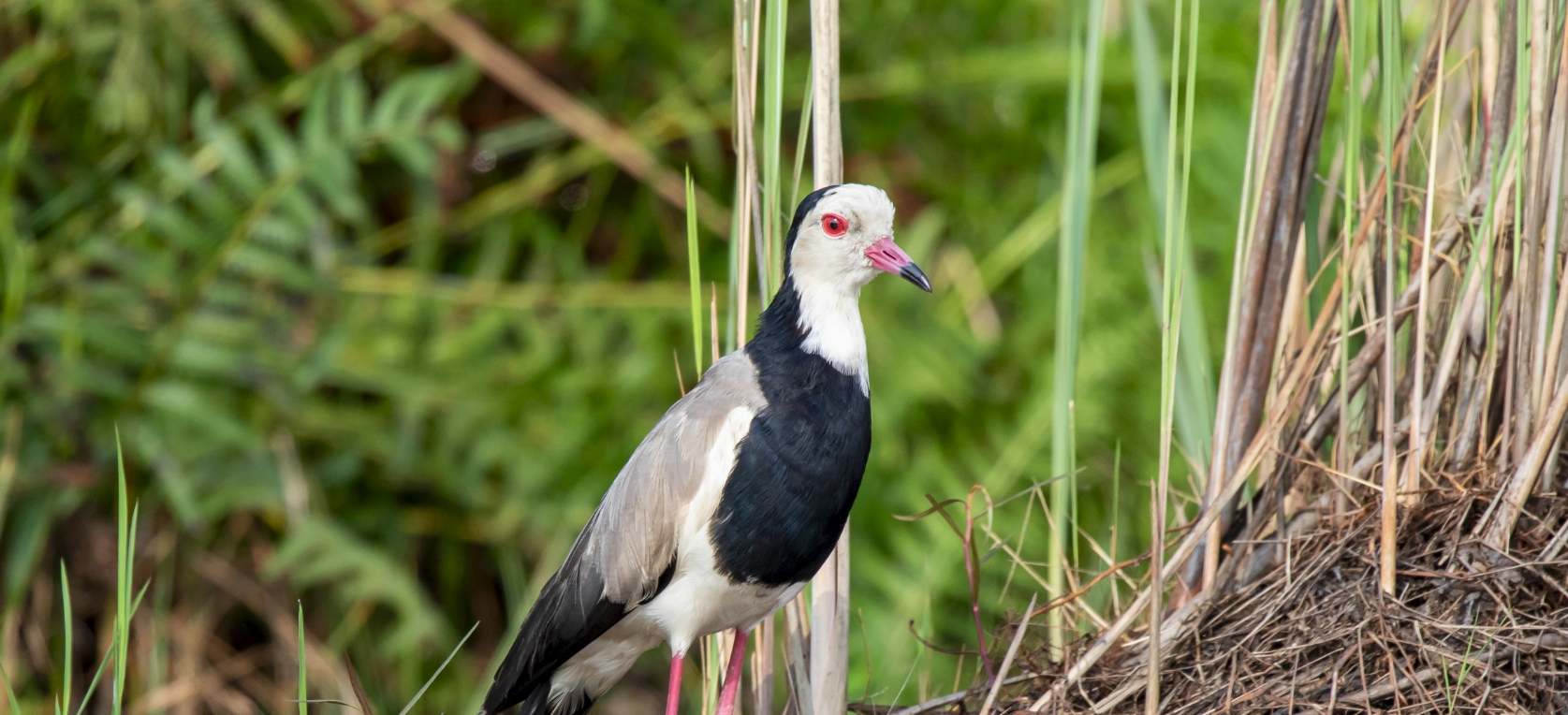
Top species to look for are Black-collared Barbet, Bare-faced Go-away-bird.Waterbirds: African Finfoot, Shoebill, Rufous-bellied Heron.Forest & Savannah Birds: Brown-chested Lapwing, Bateleur, Crested Francolin.
The best time to go Birding is in November to April These months are highly recommended as the park hosts a variety of migratory species from Europe and North Africa.
What are the most iconic bird species of Uganda?
We have listed three bird species that you’ll want to look out for while travelling through Uganda. Their unique size, beaks, and plumage will make your Uganda roadtrip even more unforgettable.
-
Ugandan Crane (Grey-crowned Crane)
Once you see the crane, you’ll immediately understand why it has such a majestic name. It stands one metre and weighs about 3.5 kilos. The grey-crowned crane has an elaborate mating ritual involving dancing, bowing, and jumping. Its bright red sac and crown of stiff feathers make this bird a memorable sight. The crested crane is the national symbol of Uganda, depicted on the flag of Uganda.
-
Shoebill Stork
Laying your eyes on the shoebill will feel like you’ve stepped into Jurassic Park. With its massive beak and tall stature, this impressive bird looks like a small dinosaur. Shoebills can grow over one meter tall, and their large beaks resemble a shoe (which explains the name). Although they’re called a stork, scientists say the shoebills are more closely related to pelicans. They have beautiful slate-grey feathers and tend to stay still for long periods; which helps them to catch fish.
-
Great Blue Turaco
The great blue turaco is a beautiful bird, maybe to their detriment. Unfortunately, the bird is currently actively hunted for its colourful feathers and meat. You might spot their bills first – they’re bright yellow with a red tip. The turaco is not the best in flying, due to their short and round wings. You rather see them gliding and leaping from one tree to the next.
Best Time to Go
Birding is great year-round, but the best window is from late May through September when the trails are drier and food is abundant. Migratory birds arrive from Europe and northern Africa between November and April.
Year-round birding is possible thanks to Uganda’s climate. November to April, Migratory species from Europe and Asia join resident birds. Dry seasons from December to February, June to August Easier access to trails and wetlands.
Planning Your Route
Because top birding sites are spread across the country, it is highly recommended to book a tailor-made vacation with a specialized, local guide.
What to Pack
Wetlands and forests are hotspots for biting insects, so pack plenty of high-quality bug repellent. Lightweight, neutral-colored clothing, a good pair of binoculars, and a reliable field guide are also absolute must-haves.