
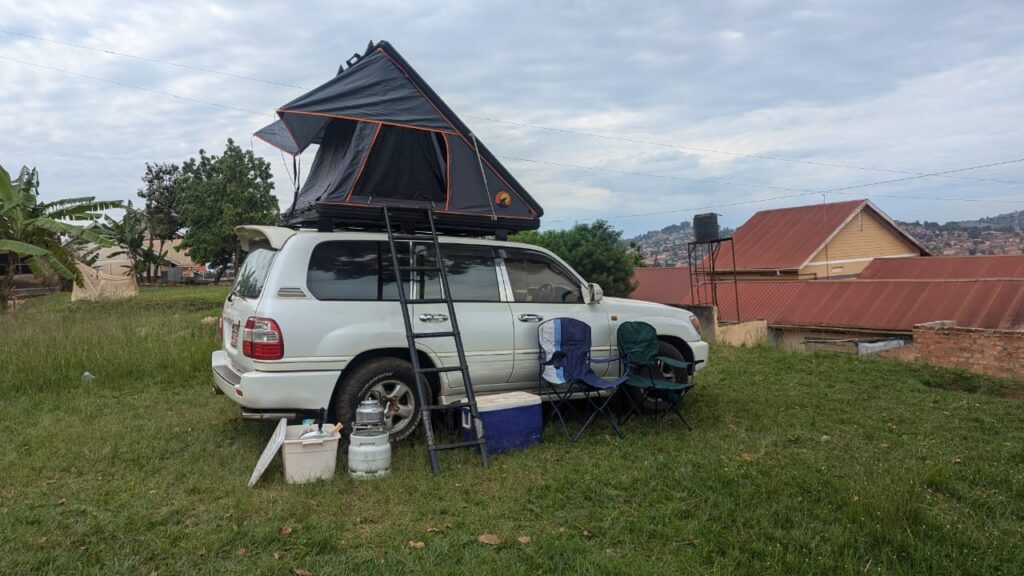
Top Safety Tips for Driving a Rental Car in Uganda
Top Safety Tips for Driving a Rental Car in Uganda, Renting a car can be a great way to explore Uganda, whether you are visiting for business or pleasure. With its scenic coastal highways, bustling cities, and breathtaking national parks, Uganda offers a diverse range of driving experiences. However, driving in a new place especially one as vast and varied as Uganda comes with its own set of challenges and considerations. Whether you’re navigating through the traffic of Kampala or cruising in National parks, safety should always be a top priority. Here are the top safety tips for driving a rental car in Uganda to ensure a smooth and enjoyable journey.
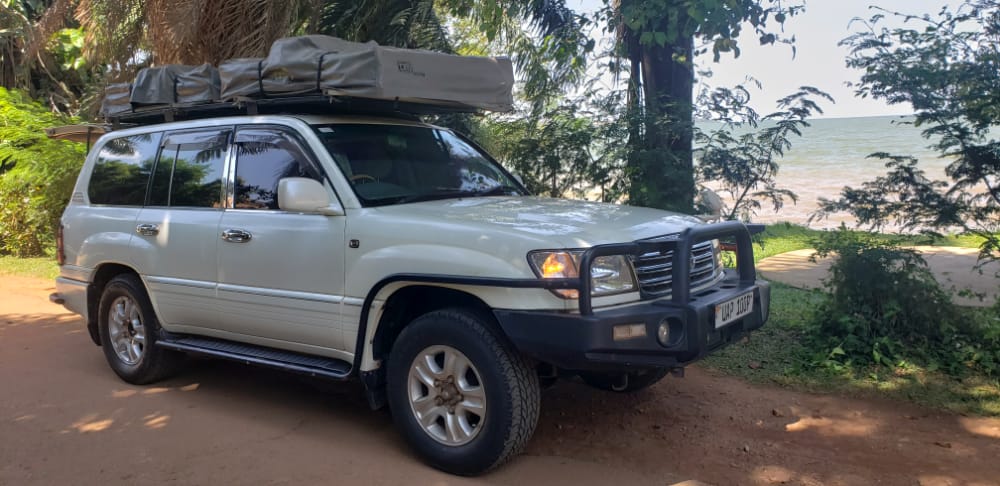
Familiarize Yourself with the Rental Car
Before you hit the road, take some time to get acquainted with your rental car. Adjust the mirrors, seat, and steering wheel to your comfort. Locate essential controls like the headlights, windshield wipers, hazard lights, and cruise control. Knowing where these are before you start driving can help prevent distractions and confusion later on, especially in emergencies or challenging weather conditions.
Understand Uganda driving laws
Familiarize yourself with the driving laws and regulations of the country you are visiting. Rules can vary significantly between countries. In Uganda, we drive on the left, with the steering wheel on the right and in Rwanda they drive on right. Observe speed limits and drive at a safe and responsible speed, especially in built-up areas, in trading centers, near schools, and along winding or narrow roads. Be mindful of local customs and cultural practices, especially when driving through rural villages and communities. Ask for permission before taking photos of people or their property.
Be cautious of Road Conditions
Be prepared for varying road conditions in Uganda, from well-maintained highways to rough rural roads. A 4×4 vehicle may be necessary for certain terrains. Keep yourself updated on road conditions, especially during the rainy season when some roads may become impassable due to flooding or mud.
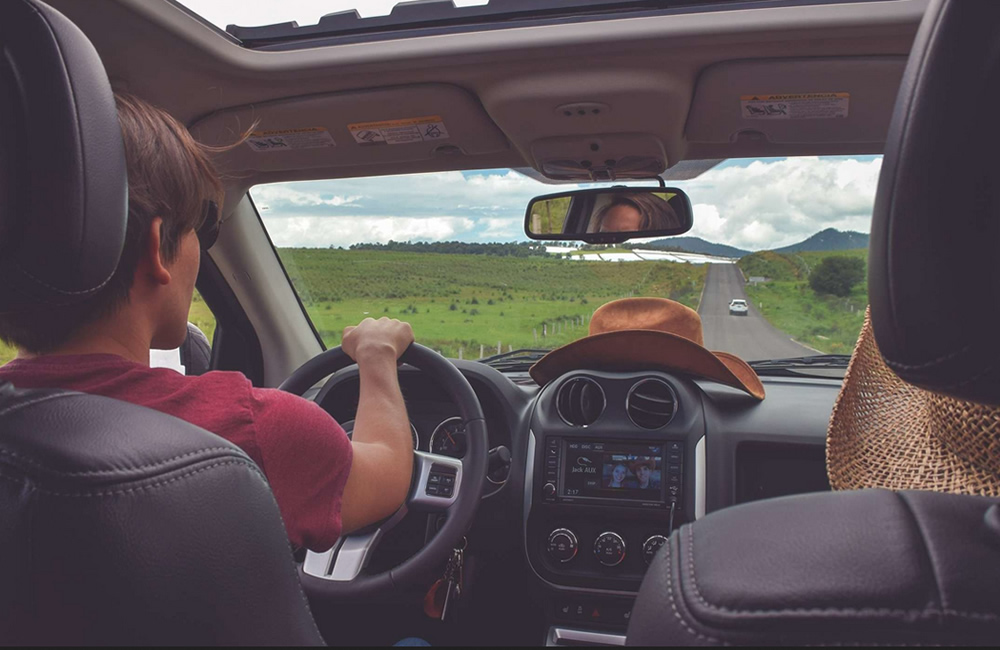
Drive Defensively
Defensive driving is key to staying safe on Uganda roads. Always anticipate the actions of other drivers and be prepared for sudden stops, lane changes, or turns. Keep a safe following distance at least three seconds behind the vehicle in front of you to allow ample time to react to unexpected situations. Be particularly cautious on highways and freeways, where traffic can be unpredictable and speeds vary widely.
Stay Within the Speed Limit
Uganda’s speed limits vary depending on the type of road and location. On most highways, the speed limit is 80 km/h. In residential and business districts, the speed limit is usually 50 mph unless otherwise posted. Always observe and adhere to posted speed limits, and adjust your speed according to road conditions, traffic, and weather.
Be Mindful of Pedestrians and Cyclists
Uganda is a pedestrian- and cyclist-friendly state, especially in cities like kamapala, Mbarara, and Kabale. Always yield to pedestrians at crosswalks and be extra cautious in areas with heavy foot traffic. When passing cyclists, provide a safe distance of at least three feet to avoid accidents.
Take Breaks on Long Drives
Uganda is a not large state but with long drives, and these can be exhausting. Fatigue is a common cause of accidents, so take regular breaks to rest and recharge. Plan your trip with rest stops in mind, especially if you’re driving long distances like from kamapala to Bwindi impenetrable forest or from kamapala to Kidepo valley national park. If you feel tired, pull over to a safe location and take a short nap or switch drivers if possible.
Know What to Do in Case of an Accident
Accidents can happen, even to the most cautious drivers. If you’re involved in an accident, remain calm and follow these steps:
Check for Injuries: Ensure that everyone involved is safe. Call 999 if there are any injuries.
If possible, move your car to a safe location out of traffic. Gather contact information, insurance details, and vehicle information from all parties involved. Take photos of the accident scene, vehicle damage, and any relevant road conditions or signage. Contact your car rental company to report the accident and follow their instructions. Being prepared can help you handle the situation more effectively and reduce stress.
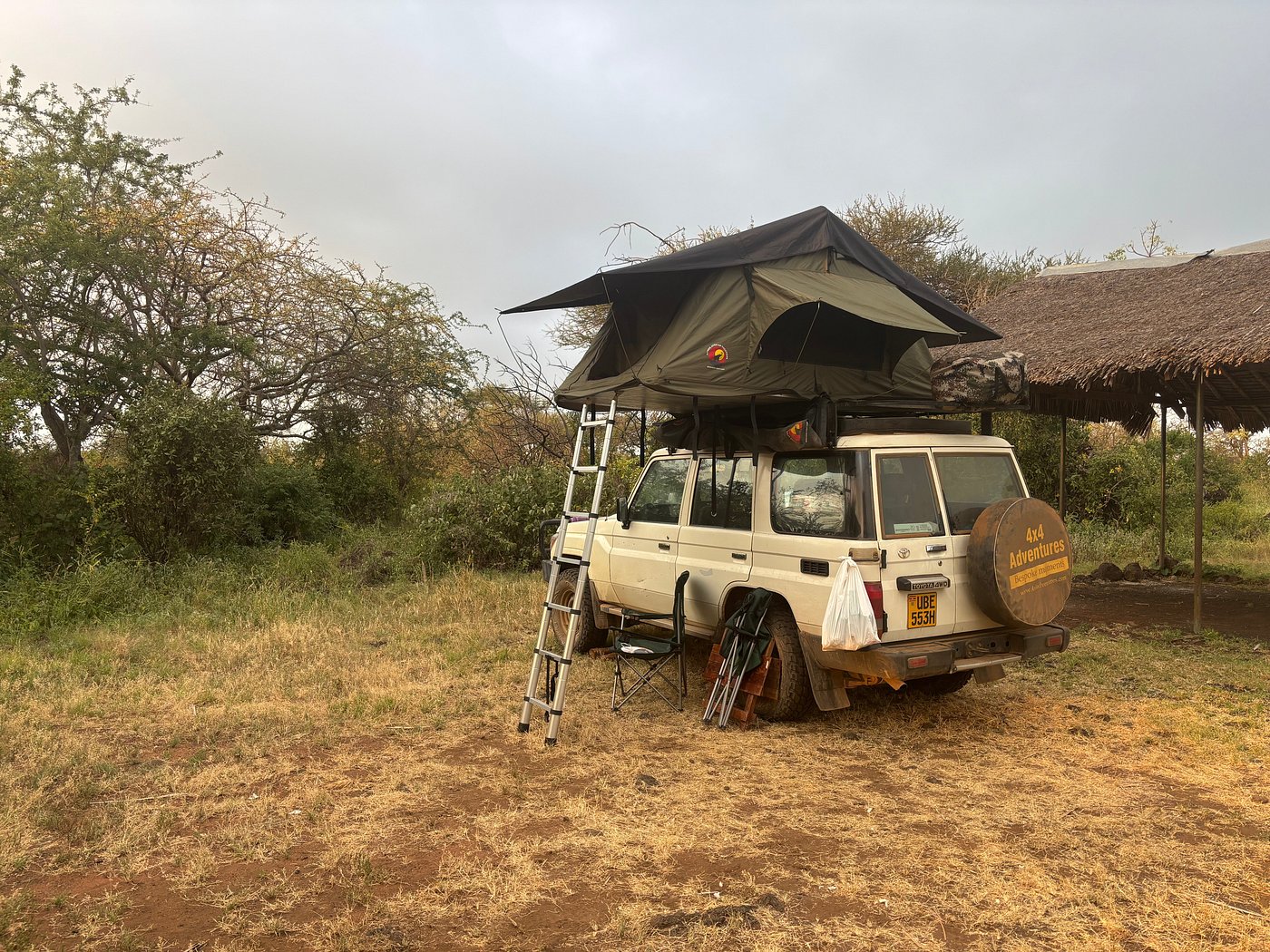
Plan your route in advance,
Plan your journey in advance to avoid stress and distraction of traffic congestion in Kampala and chose alternative routes where need be, including rest stops and overnight accommodations if traveling long distances. Stick to designated roads and tracks, especially in national parks and wildlife reserves. observe Speed Limit of 40KM/h and don’t go off track as this can lead to penalties.
Keep Your Valuables Out of Sight
Car break-ins can happen anywhere, especially in tourist areas or busy parking lots. Always keep your valuables out of sight by storing them in the trunk or a concealed compartment. If you’re parking in an unfamiliar area, choose well-lit and secure locations, and avoid leaving anything valuable in the car overnight.
Understand Insurance Coverage
Ensure you understand what is included in your rental insurance and consider purchasing additional coverage if necessary for extra peace of mind as our comprehensive insurance covers the car against Accident, fire and theft only.
Make Use of Roadside Assistance
Most rental companies offer roadside assistance as part of their service package. Familiarize yourself with the details of this service, including how to contact them and what is covered. This can be a lifesaver if you experience a flat tire, dead battery, or other minor issues while on the road.
Inspect Your Rental Car Before and After Driving
Before you leave the rental lot, inspect the car for any pre-existing damage and report it to the rental agency. When you return the car, do a final inspection to ensure that it is in the same condition as when you rented it. This will help you avoid potential disputes or charges for damage you didn’t cause.
Understand the Rental Agreement
Read and understand the terms of your rental agreement, including mileage limits, fuel policy, and insurance coverage. Knowing what is included in your rental package and what additional costs may apply can help you avoid unexpected fees and ensure a smoother rental experience.
Navigation.
Use a reliable GPS or navigation app like maps.me and have a physical map as a backup in case of connectivity issues. GPS navigation can be helpful but not always accurate especially in remote areas. It is better to carry physical maps and be prepared to ask locals for directions where need be.
Consider Renting from a Trusted Company
Choosing a reliable car rental company can make a big difference in your driving experience. Look for a company that offers well-maintained vehicles, transparent pricing, and excellent customer service. Uganda car rental, for example, is a trusted choice for those looking to rent a car in Uganda. With a wide range of vehicles to suit any need—from compact cars for city driving to luxury vehicles for business trips, Uganda car rental is dedicated to providing a safe and convenient rental experience.
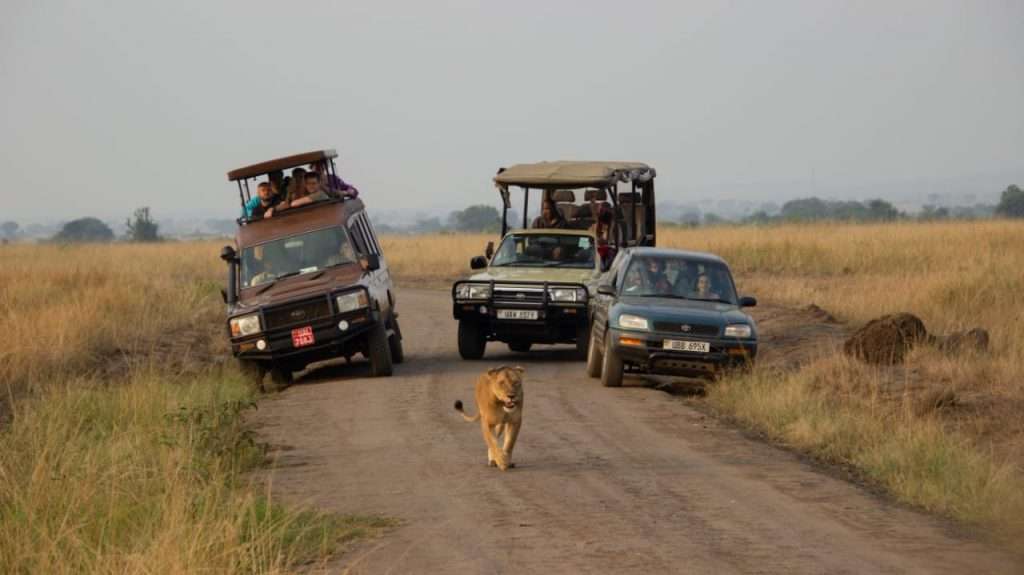
Observe wildlife from a safe distance
Uganda is renowned for its wildlife so maintain a safe distance when observing animals, watch out for wildlife on the roads. Don’t engage in wildlife harassment, avoid chasing, feeding, or attempting to touch wildlife. Drive slowly and be prepared to stop suddenly. Respect their space and avoid disturbing them because they have a right of way in national parks.
Be prepared for emergencies
Keep a list of emergency contact numbers, including the car rental company’s support line, local emergency services, and roadside assistance. Carry a well-equipped emergency kit, including a first-aid kit, flashlight, spare tire, jack and jumper cables, you’ll need help being towed or rescued from having car trouble than anything else.
Parking.
Use secure parking facilities whenever possible and avoid leaving valuables visible in the car to prevent theft. Keep valuables out of sight and securely locked in the vehicle to prevent theft. Avoid leaving belongings unattended, especially in tourist areas.
Conclusion
Driving a rental car in Uganda can be an exciting way to explore the Country’s diverse landscapes and attractions. By following these safety tips, you can ensure a smooth and enjoyable journey while minimizing the risks associated with driving in an unfamiliar place. Always remember to stay vigilant, plan ahead, and prioritize safety. For a reliable car rental experience in Uganda, consider booking your vehicle today with Uganda car rental for your next trip. Their commitment to customer satisfaction and safety makes them an excellent choice for your car rental needs.