
The Ultimate National Park Guidelines in Uganda
Uganda’s national parks and reserves are managed by Uganda Wildlife Authority(UWA) under the Ugandan government, Uganda national park covers over 10% of the country’s land, showcasing some of the world’s most incredible biodiversity.
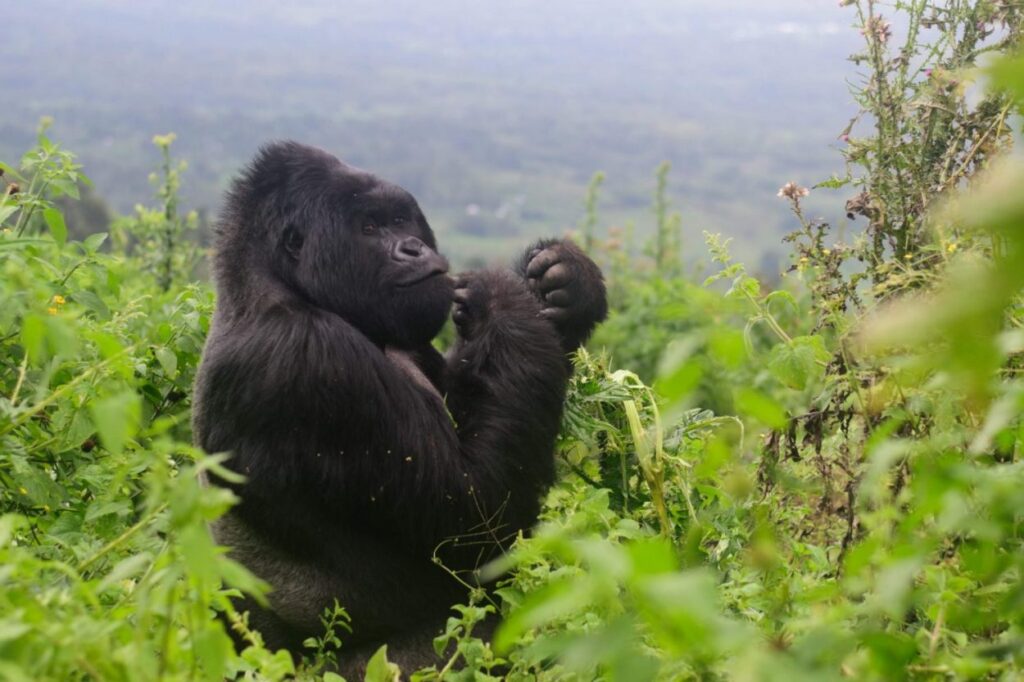
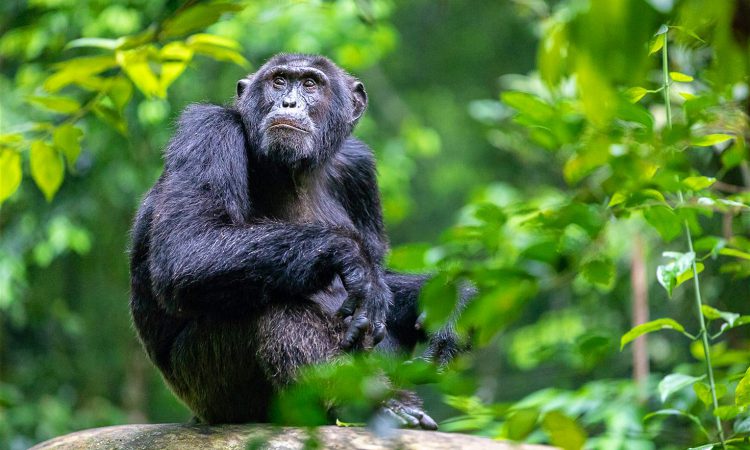
The best national parks to experience while exploring Uganda’s natural wonders. These give travelers amazing opportunities to connect with nature and experience the country’s rich natural heritage. Below are the primate heavy weights that include Bwindi impenetrable Forest national park, Mgahinga national park for Mountain gorillas and golden monkey and Kibale forest national parks for Chimpanzee tracking
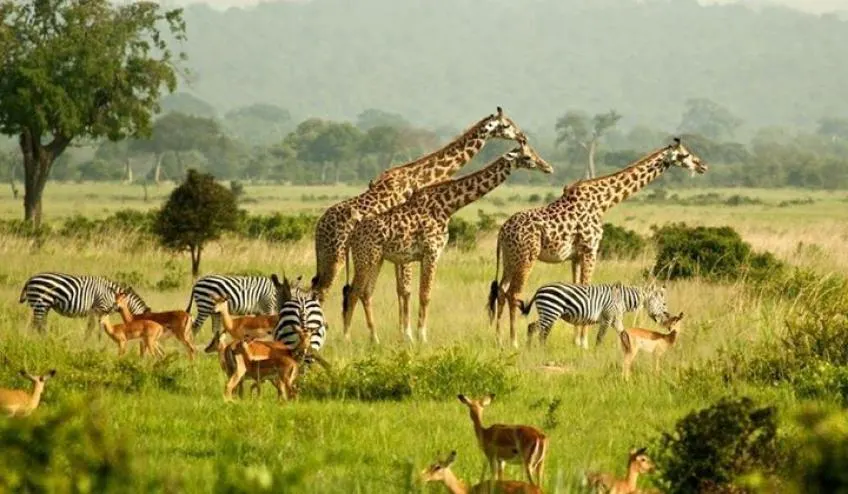
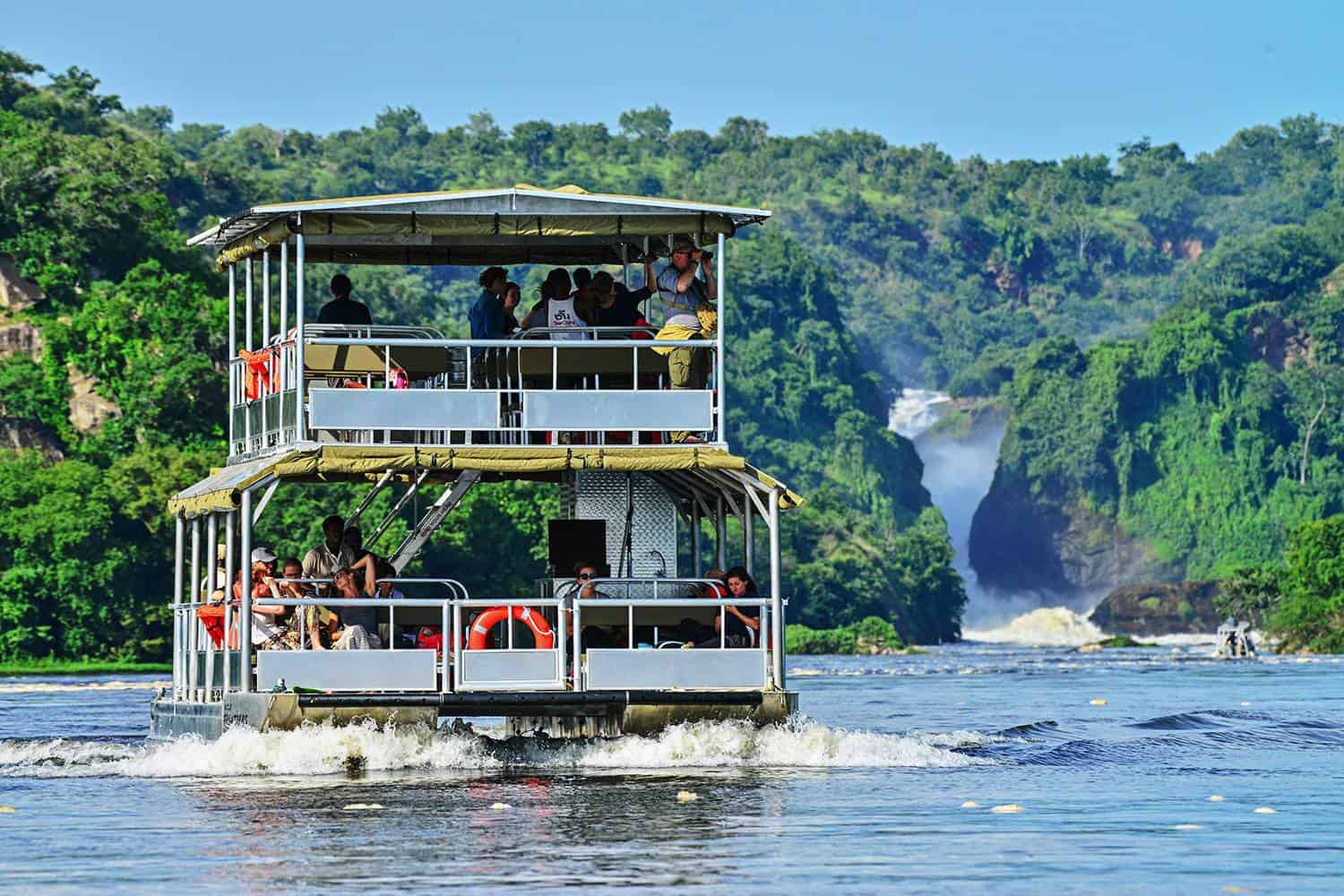
The Classic Savanna Safari parks include, Queen Elizabeth National Park, Uganda’s most popular savanna park that offers incredible boat cruises on the Kazinga Channel and is home to the famous tree-climbing lions of the Ishasha sector, Murchison Falls National Park that features the dramatic Murchison Falls, where the river forces its way through a narrow 7-meter gorge. Kidepo Valley National Park which is located in the remote, rugged northeast, this untouched wilderness provides a wild and exclusive safari experience with cheetahs, ostriches, and vast herds of buffalo.
Lake Mburo National Park is the closest park to Kampala, perfect for walking safaris, horseback riding, and spotting zebra and impala. Rwenzori Mountains National Park is known as the “Mountains of the Moon,” this is a trekker’s paradise offering challenging, multi-day, snow-capped alpine hiking. Mount Elgon National Park is centered around an extinct volcano, it features the world’s largest volcanic caldera and excellent, uncrowded hiking trails through diverse vegetation zones. Semuliki National Park is tucked away in the Albertine Rift and is renowned for its birdwatching.
National park rules and regulations are established to protect delicate ecosystems and ensure visitor safety. Standard guidelines mandate staying on designated trails, practicing Leave No Trace principles, keeping pets leashed or prohibited in certain areas, and keeping a safe distance from wildlife without feeding or disturbing them. While core preservation guidelines remain consistent worldwide, specific regulations vary by location such as permit requirements, drone prohibitions, and fire restrictions. To ensure a smooth and legal visit, follow these universal core guidelines
Wildlife Interactions
Do not feed, touch, or approach animals in the wild by keeping safe distance of at least 25 yards, approximately 23 meters for most wildlife, and 100 yards approximately 91 meters for predators like Lions, bears and wolves.
Leave No Trace.
This is based done by packing out all of your trash, including leftover food and wrappers. Do not pick flowers, collect rocks, or disturb historical artifacts.
Stay on Designated Trails
Walking off-trail causes soil erosion and destroys fragile vegetation. Shortcuts or creating new paths are prohibited.
Pet Regulations.
Pets are typically restricted in backcountry areas and many trails to protect wildlife and minimize safety hazards. Always check park-specific guidelines.
Fire and Smoke safety
Open fires are strictly regulated and often entirely banned in high-risk zones. Only build fires in designated fire rings, and ensure they are completely extinguished before leaving. Obey all local fire bans, and never leave a fire unattended.
Uganda’s wilderness areas are home to some of the world’s richest ecosystems that wildlife enthusiasts dream about. The country’s protected areas stretch from soaring national peaks to vast rain forests, showing nature at its finest.
Conclusion
Uganda’s national parks, national reserves, landscape reserves, national sanctuaries, and communal reserves are among the most awe-inspiring protected areas in the world. From the misty cloud forests of Bwindi and the glacial peaks of Rwenzori and the sacred waters of Lake Bunyonyi, these parks offer unmatched opportunities for ecotourism, adventure, and cultural discovery.
Whether you’re a first-time visitor in Uganda looking to explore Murchison Falls National Park or an experienced hiker tackling the high trails of Mount Rwenzori, there’s a park that fits your level of comfort and curiosity.
Timing your road trip right is the best way to go and in Uganda the best is during the dry season from April to November for highlands and rainforest, or December to February for national parks, This will enhance your entire road trip experience. Booking permits early, packing smart, and choosing between guided tours or solo travel in Uganda will ensure you’re ready for anything.
Whether your goal is to spot endangered wildlife, tackle challenging hiking trails, or understand the traditions of Uganda’s indigenous cultures, these natural and cultural treasures will leave you transformed. The memories you make in Uganda’s national parks won’t just be scenic ,they’ll be soul-stirring.